How to Choose a Barcelona Helicopter Ride That Fits Your Plans
A barcelona helicopter ride can be a short, focused scenic flight or a broader aerial outing that takes in several parts of the city. The right choice depends on what you want to see, how much time you have, and how comfortable you are with the practical details. Before comparing options, get clear on the experience itself. A helicopter flight is not like watching a city from a tower. The view moves quickly, the route matters, and small differences in timing can change what you notice.
Start with the reason you want to fly. Some people want a general overview of Barcelona, with the sea, the city grid, and major landmarks visible in one continuous sweep. Others want a route shaped around a particular area, such as the coast, the old city, or well-known architecture. A useful first step is to decide whether the ride is the main event of your day or a highlight fitted around other plans. That decision makes later comparisons much easier.
Decide what you want to see from the air
Think about the aerial views you are hoping for rather than choosing on impulse. Barcelona has a distinctive layout, and a flight can show the contrast between the coastline, the urban blocks, and the mountains beyond the city. If landmarks are your priority, look for a route that gives them enough time and space rather than one that simply passes nearby.
It also helps to understand what cannot be guaranteed. Weather, air traffic, and local flight rules can affect what is visible and how a route is flown. A clear day may open up long views, while haze or low cloud can make a short flight feel more limited. Choosing a ride with a clear route description is more useful than relying on vague promises. When browsing information, helicoptertourbarcelona.com can be one reference point for the kind of details worth checking.
Compare flight duration with your schedule
Flight duration is one of the most practical things to check, but it should be read carefully. The time in the air is different from the total time you should set aside. You may need to allow for arrival, check in, a safety briefing, boarding, and time after landing. A short flight can still fit neatly into a day if the meeting point is easy to reach and the rest of the schedule is flexible.
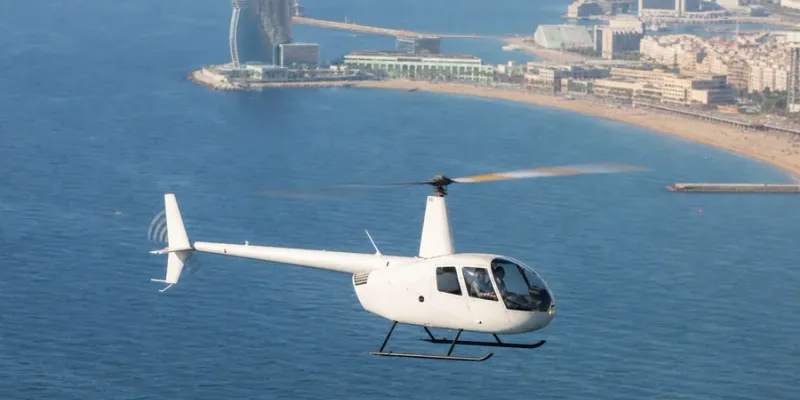
Longer is not always better. A longer ride may offer a calmer pace and more varied scenery, but it also asks for more time and commitment. A shorter ride can suit someone who wants a first taste of flying or has limited time in the city. The right balance comes from matching the flight to the day around it, not from picking the longest option by default.
Check the route, not just the destination name
A flight path is the shape of the experience. Two rides with similar names can feel quite different if one follows the coast and another turns inland. Read the route description and notice whether it names the areas or features you care about. If a route focuses on open sea, the city may appear mainly at the edges. If it stays over the urban area, the coastline may be less central.
Ask what the route is designed to show, and whether there are moments when the helicopter slows or turns to give passengers a better view. This is not about chasing thrills. A steady route with well chosen angles often gives a better sense of place than a quick series of turns. Keep in mind that the pilot must follow aviation rules, so the final route can change for safety or operational reasons.
Look closely at the helicopter model and seating
The helicopter model affects more than appearance. It shapes how much room passengers have, where they sit, and what each seat can see. Some seats may offer a clearer view of one side, while others may be better placed for balanced views. If you care about photography or want a less restricted view, seating is worth asking about before you commit.
Window position, cabin layout, and the number of people on board all matter. A small group can feel more personal, while a larger one may change how easily everyone gets a clear view. There is no single best arrangement for every traveler. The point is to match the aircraft and seating to your purpose, whether that is photography, a special occasion, or a relaxed overview of the city.
Understand the safety briefing and the role of the pilot
A good choice is not made on scenery alone. Before any flight, passengers should receive a safety briefing that explains boarding, seat belts, cabin conduct, and what to do in unusual situations. The briefing should be clear and easy to follow, especially for first time passengers. If something about the instructions is unclear, ask before boarding rather than during a busy moment.
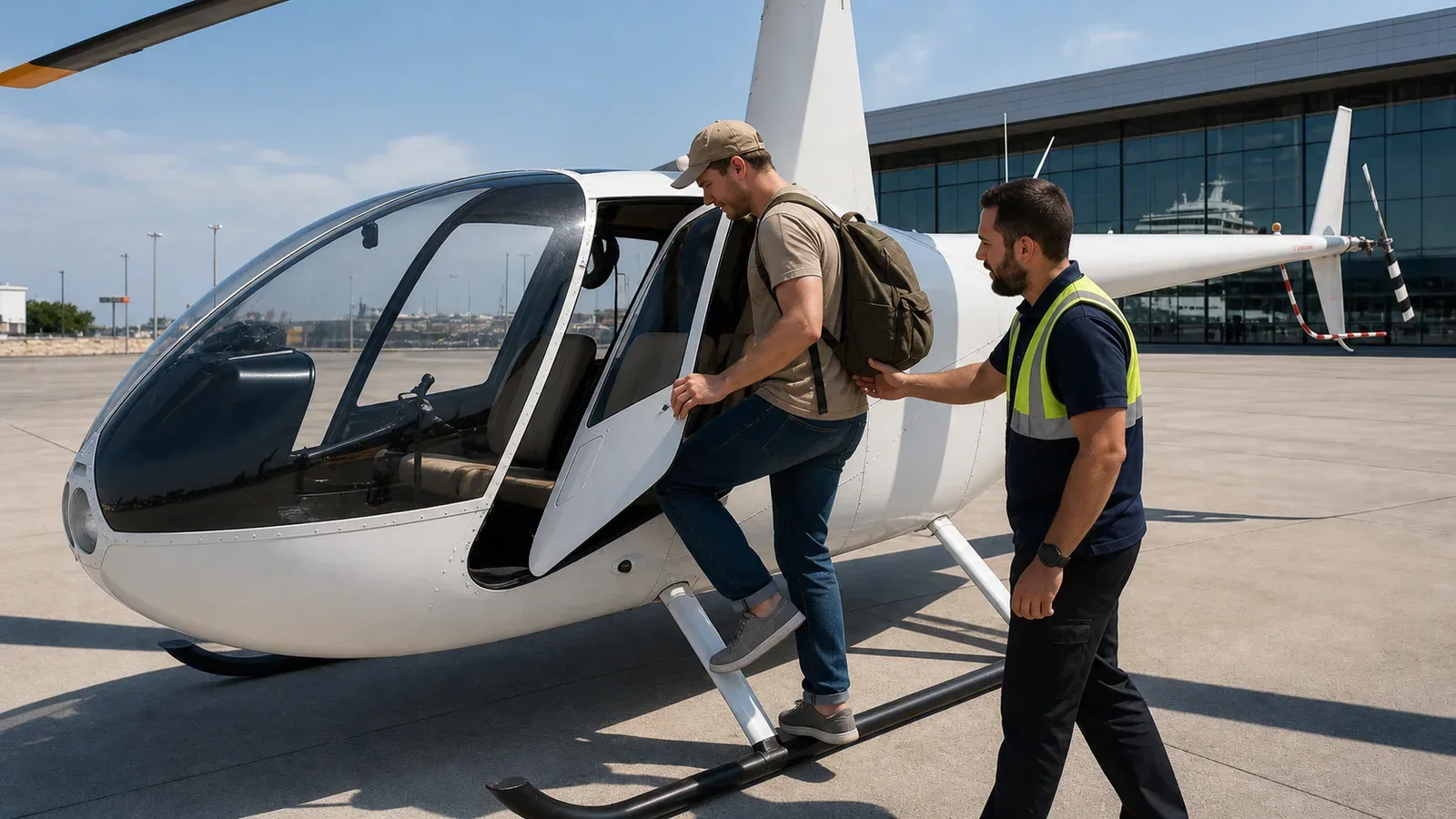
The pilot is central to both safety and the quality of the ride. Professional flying involves planning, communication, and judgement, not simply lifting off and following a pretty line over the city. A pilot may adjust speed, height, or direction because of traffic, weather, or airspace limits. Treat those decisions as part of a well run flight, not as a flaw in the experience.
Check the landing site and what happens before takeoff
The landing site can shape the whole day. A site that is easy to reach reduces stress, especially if you are fitting the flight between other plans. Look at where it is, how you would get there, and how much time you should allow for delays. Think about the period after landing too, particularly if you need to continue to a reservation or another part of the city.
Before takeoff, expect a short process rather than an instant departure. Passengers usually need to check in, receive instructions, and be seated in the right order. This time is not wasted. It gives the crew a chance to prepare and gives passengers a chance to settle. If you are sensitive to motion, choose a time when you feel rested, and avoid treating the ride as something to squeeze in at the last minute.
Match the ride to the people taking part
Not every flight suits every group. Think about who will be on board and how each person is likely to respond to flying. Some passengers enjoy open views and smooth movement. Others feel uneasy when the helicopter climbs, banks, or descends. A shorter ride with a gentle route may be a better fit than a longer one with lots of turning.
Children, older travelers, and anyone nervous about heights may need clearer preparation and a calmer pace. This does not mean avoiding the experience. It means choosing deliberately. Explain the basic sequence in advance: arrival, briefing, boarding, takeoff, the flight itself, landing, and departure from the aircraft. Familiarity often makes the unknown part less stressful.
Read the booking details with care
Once the experience itself fits, move to the practical terms. Check what is included in the booking, what the meeting arrangements are, and what happens if plans change. Pay attention to any conditions linked to weather or air traffic, because those can affect aviation in ways that are outside passenger control. Clear terms are a sign that the experience has been thought through.
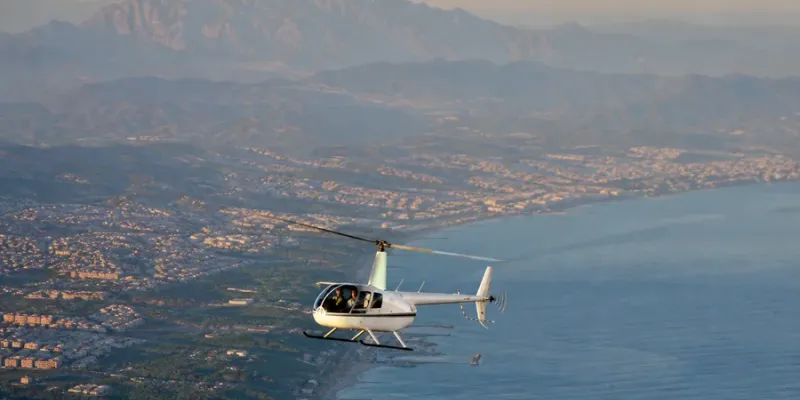
Keep the details in one place before the day. That includes the meeting point, the time you should arrive, the names on the booking, and any identification or documents requested. This is simple preparation, but it prevents a rushed arrival. A calm start usually leads to a better flight, because passengers are not trying to sort out basic questions at the last minute.
Choosing well comes down to a few steady decisions. Define the views you want, compare the time in the air with the time around it, study the route, consider the aircraft and seating, and take the safety information seriously. When those parts line up, a barcelona helicopter ride becomes easier to judge on its real merits. The best option is the one that fits your reasons for flying, your group, and your schedule, with enough clarity that the day feels smooth from arrival to landing.